
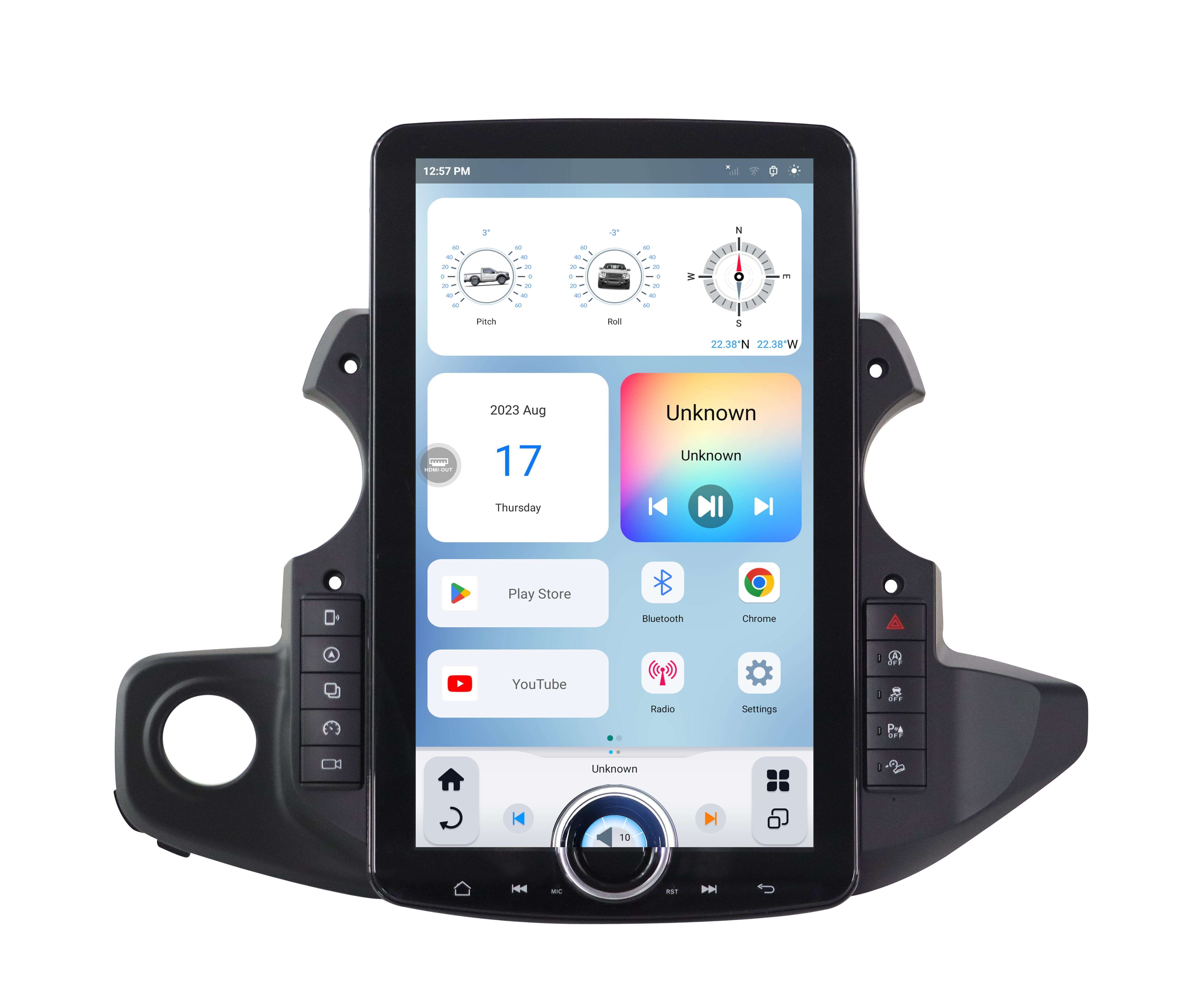
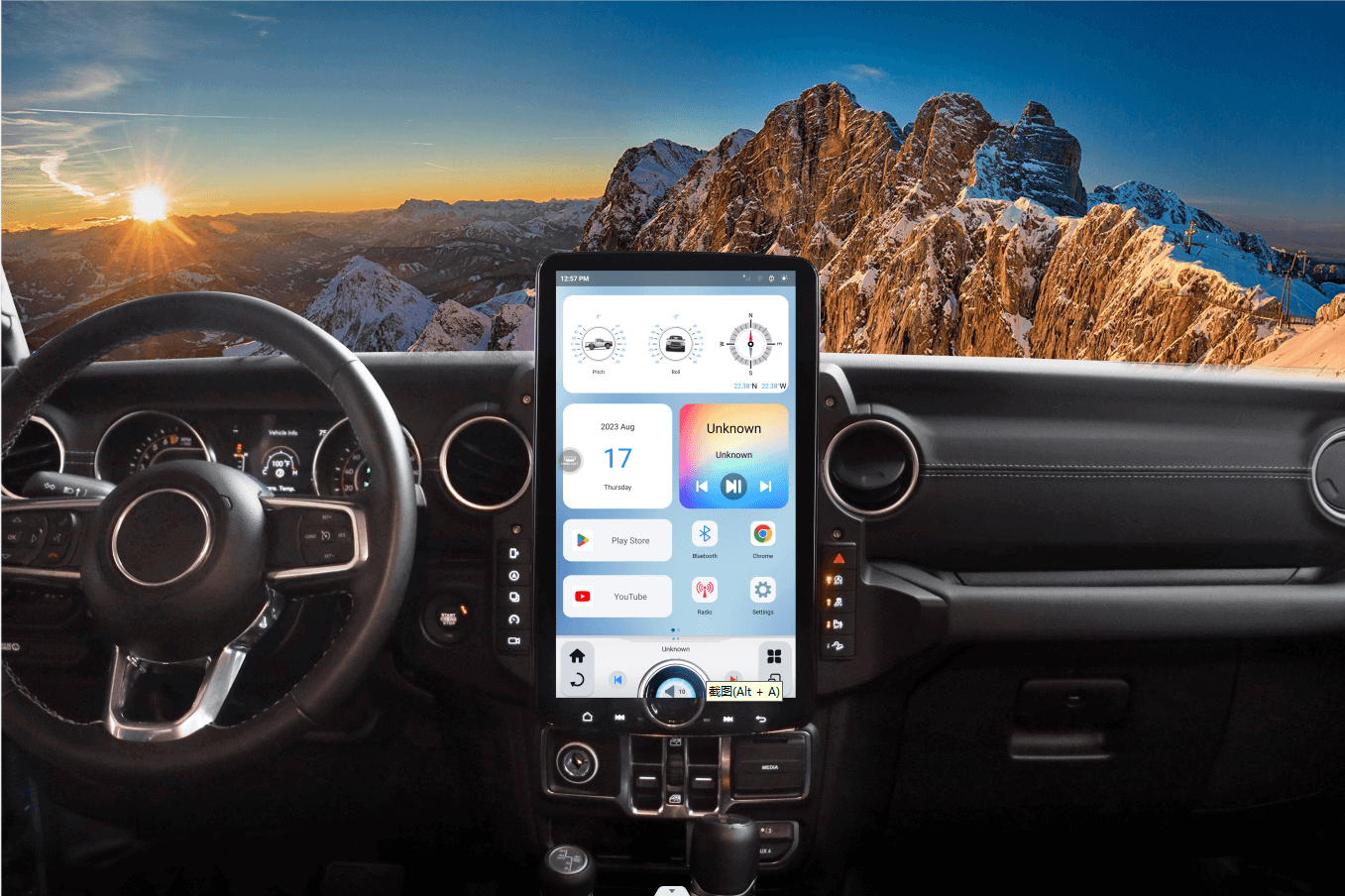
The first thing people notice about a new dashboard display is its size. The first thing they notice after installation is everything that no longer works. Steering-wheel buttons, factory cameras and climate-control menus can be easy to overlook while shopping for a replacement unit. A careful stereo upgrade begins with the truck already in your driveway, not with a picture of a screen that happens to fit the dashboard opening.
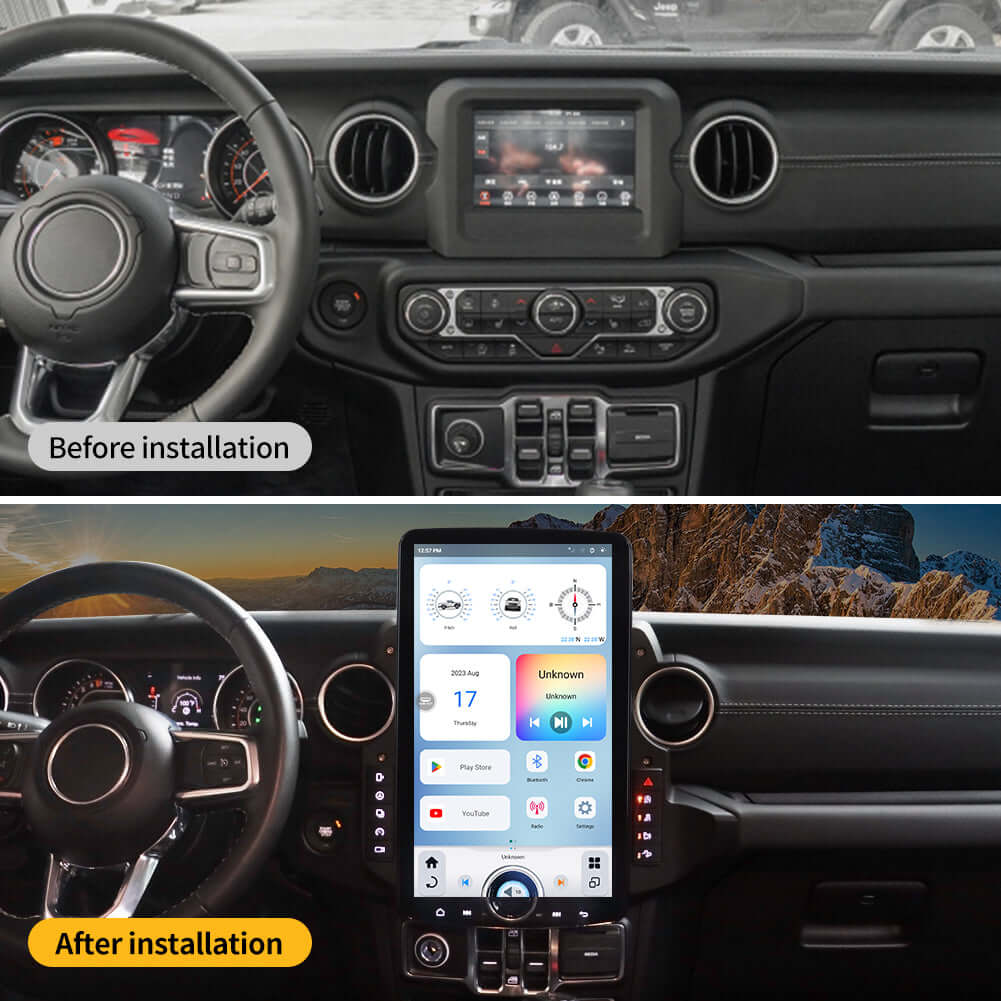
Write down the Wrangler's model year, body style and original head unit. A JL and a JK do not share the same dash arrangement, and even vehicles from the same generation may have different factory audio packages. Check whether the car has a factory amplifier, backup camera, parking sensors or other integrated controls. These details affect the harness, adapters and setup steps. A screen described as an android car stereo for jeep wrangler may be suitable for one configuration without being a direct replacement for every Jeep wearing the badge.
Before removing trim, photograph the original dashboard while it is running. Capture the settings you actually use: a camera view, a climate menu, steering-wheel controls and the radio source screen. You'll have a practical checklist after installation. If a feature disappears, it's easier to investigate a specific missing function than to explain that the new system “doesn't feel right.” Keep the original components and fasteners organized; some are small, and rushing the removal can turn a reversible project into a damaged trim panel.
Connectivity is another area where product descriptions need a second look. Wireless CarPlay or Android Auto is convenient, but pairing behavior, microphone quality and phone charging can matter more on a daily commute than an animated home screen. Consider where the USB lead will emerge and whether passengers can reach it. In a Wrangler, an open roof and road noise may also reveal microphone problems that are difficult to hear during a quiet workshop demonstration.
The camera test should happen before the trim goes back on. Select reverse, confirm the view appears promptly and check any guidelines against the vehicle's actual position. If the setup retains the factory camera, make sure the correct camera input or interface is being used. Also test the headlights, dimming behavior and sound balance. An aftermarket unit that looks excellent in daylight can be distracting at night if its illumination does not respond as expected.
When buying from a specialist such as XAutoStereo, the most useful pre-sale message includes the year, a clear dashboard photo and a list of factory features that must remain operational. A photograph of the rear connectors can help when the vehicle has already been modified. Ask exactly which parts are supplied, rather than assuming that every mounting bracket, camera adapter or harness appears in the box.
A larger screen can make navigation and media controls easier to use, especially on longer trips. The real success of the upgrade, though, is quieter: everything that used to work still works, and the new features do not require a tutorial every time someone starts the Jeep.
Official website: https://xautostereo.com/








Share:
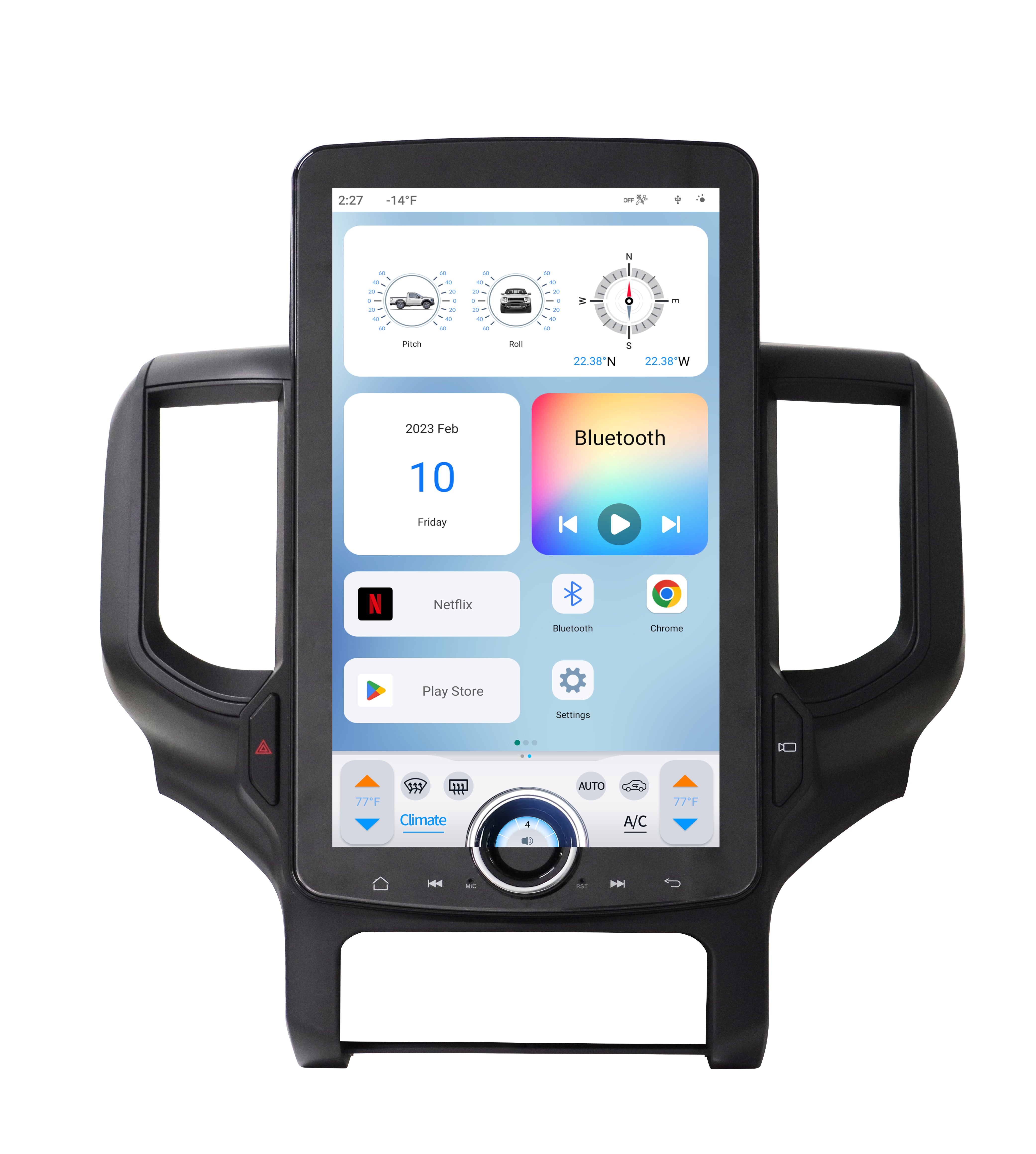
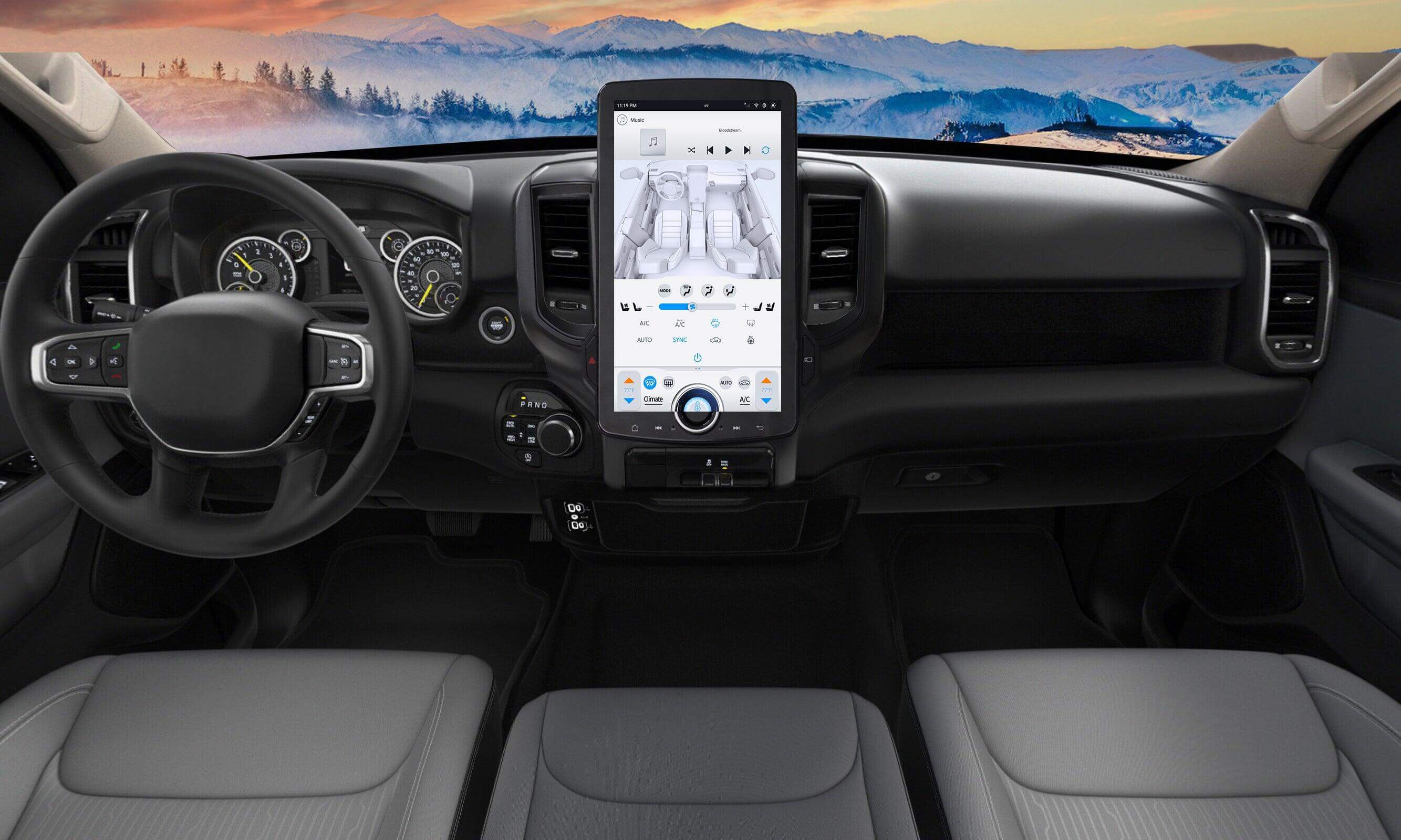
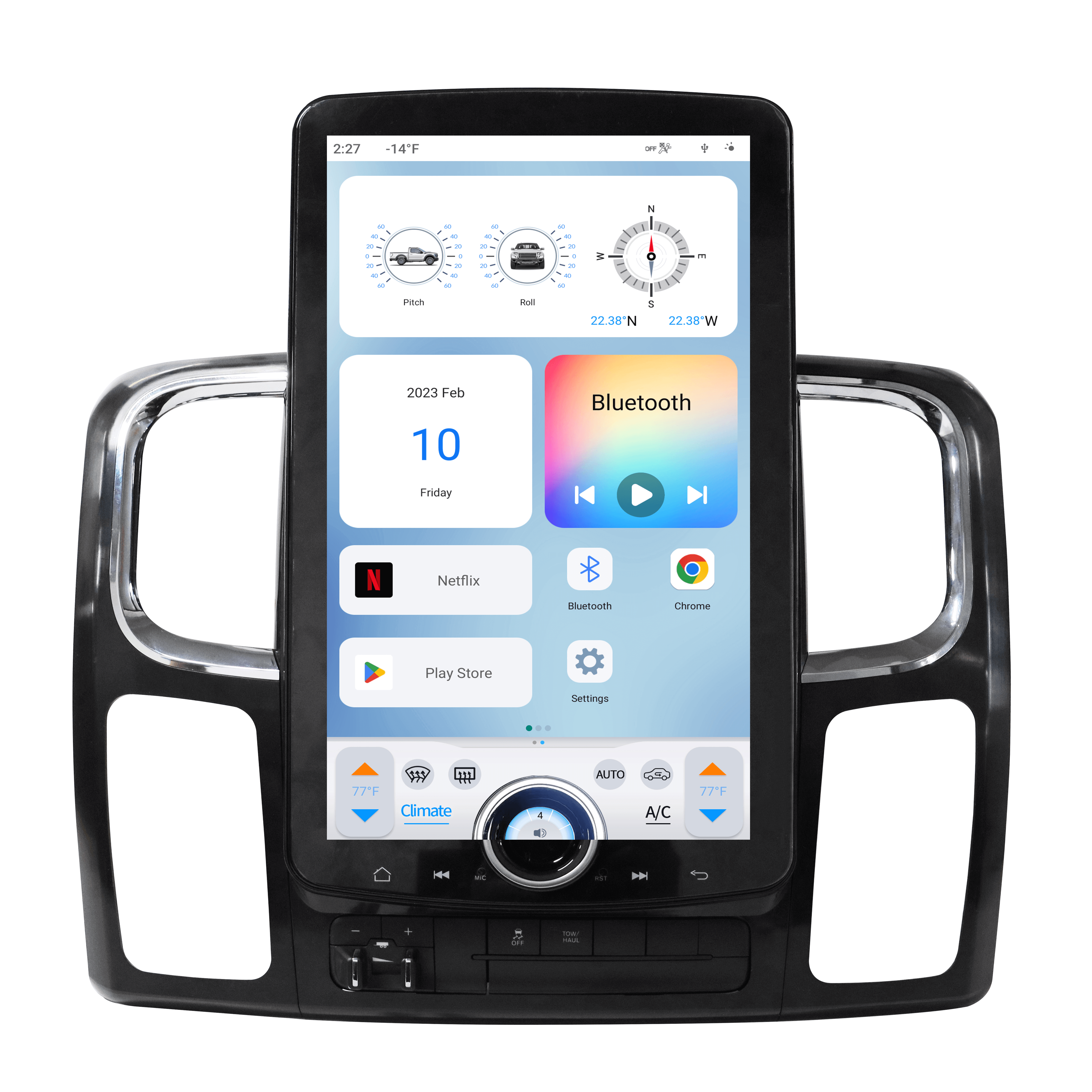
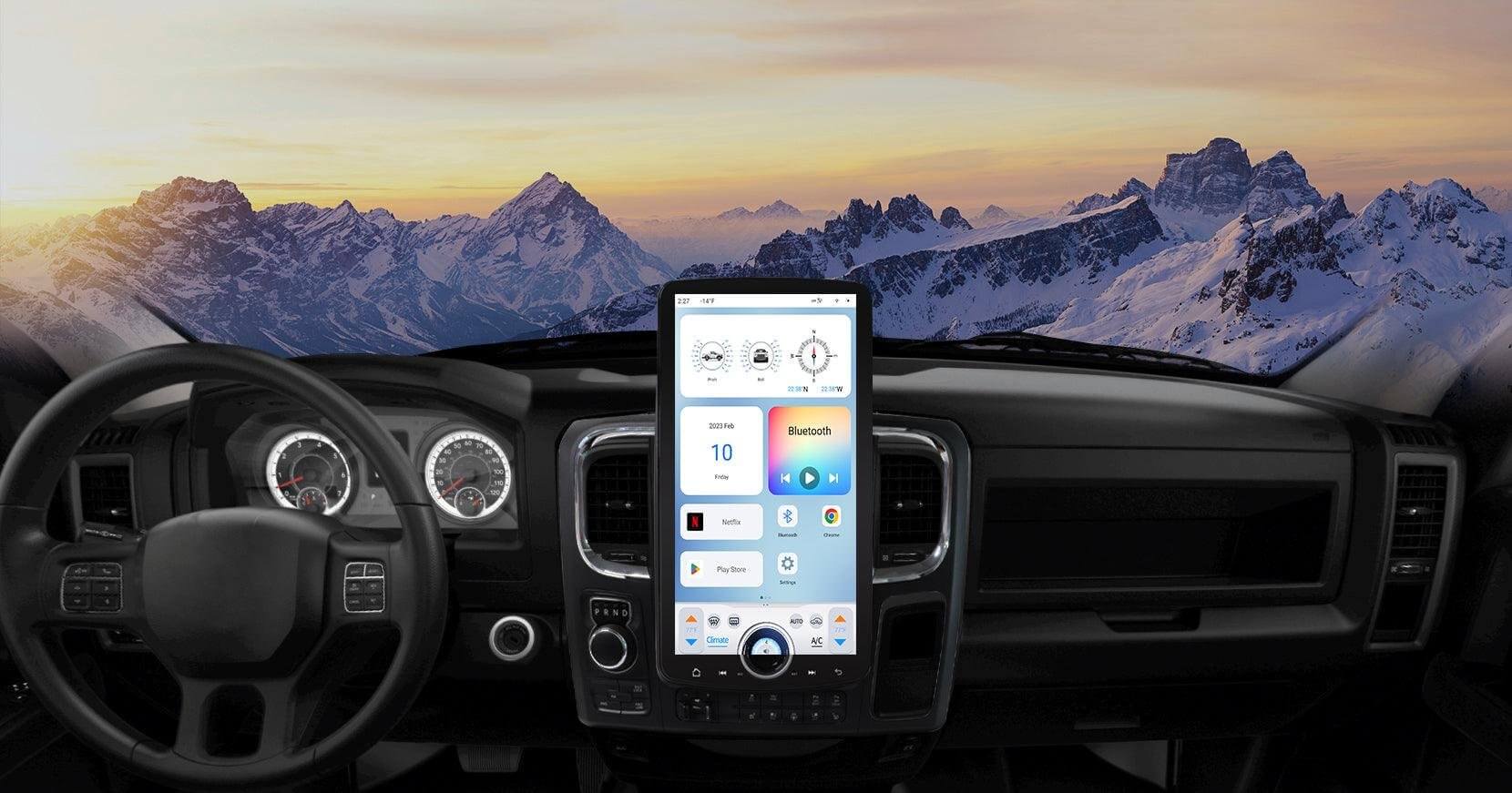
XL T-Style Radio for 2013-2019 RAM Trucks